
- Feel the energy as you navigate through registration lines, begin to form connections with peers, and let your anxiety for the week fade away.
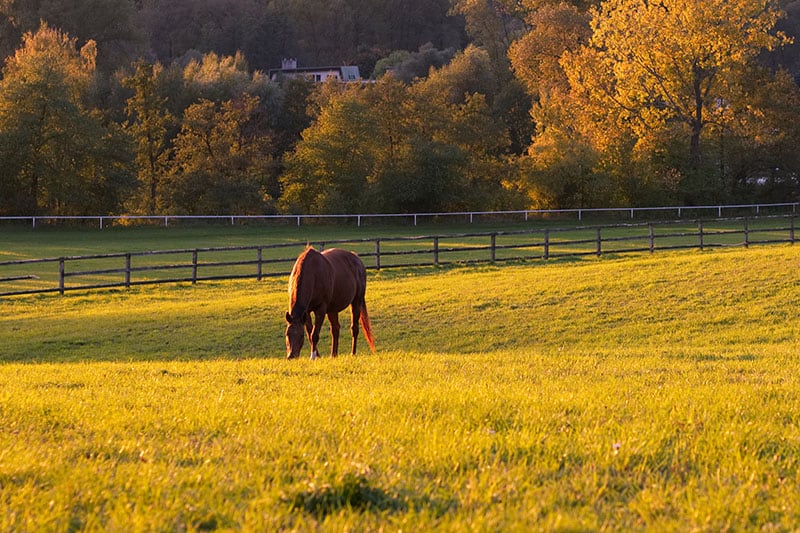
Envision by WorldStrides
Future Vet: Horses & Large Animals - New York
Give your middle schooler real veterinary experience working with horses and large animals under professional supervision at Pine Bush Equine Services and local rescue facilities.
Confirm Invite
Enroll NowLet's connect
You're one step closer to an unforgettable experience. Tell us a bit about yourself and we'll get you the latest program info and connect you with our admissions team for personalized support. Ready to get started?
All fields marked with an * are required.
Close
Congrats!
You've been invited!
Please fill out the form to confirm receipt of your invitation and receive additional program information.

Where Your Child's Passion for Horses Meets Real Veterinary Training
Does your middle schooler dream about becoming a veterinarian? Picture them learning to perform physical exams on rescued horses, understanding proper animal handling techniques from experienced veterinarians, or watching diagnostic procedures that reveal what veterinary medicine really involves.
At Future Vet: Horses & Large Animals, your child works at Pine Bush Equine Services & Veterinary Hospital alongside several equine rescue facilities in upstate New York. This isn't just observation—it's hands-on learning designed specifically for grades 6-8.
Your student masters age-appropriate skills including physical examinations, basic bandaging techniques, understanding diagnostic imaging, and learning proper animal handling under the guidance of experienced equine veterinarians. Each day brings structured rotations through different aspects of horse and large animal medicine, from wellness checks to rehabilitation cases and breeding facility operations.
Large animal medicine plays a vital role in protecting the well-being of horses, farm animals, and the humans who interact with them. Whether your child is exploring veterinary careers, loves working with horses, or wants to understand large animal care, this program provides comprehensive exposure while building foundational knowledge that supports future veterinary school aspirations.
Grades:
6-8Duration:
7 DaysFormat:
ResidentialStarting Price:
$4,999.00Envision by WorldStrides
For over 40 years, Envision—part of the WorldStrides family—has helped students from elementary through high school explore their interests and uncover what excites them most. Our immersive programs are built with educators and industry experts to support career exploration, leadership growth, and college prep. Along the way, students build real-world skills, boost their confidence, and start to see a clearer path toward their future.
What Makes This Program Special for Young Students
Hands-On Work with Rescued Animals
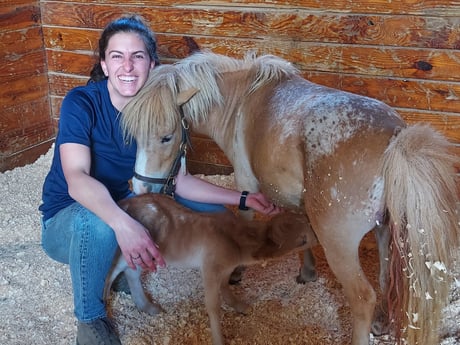
Your child works at equine rescue facilities performing supervised physical exams, learning bandaging techniques, and identifying health issues in rescued horses, donkeys, cows, goats, sheep, and chickens.
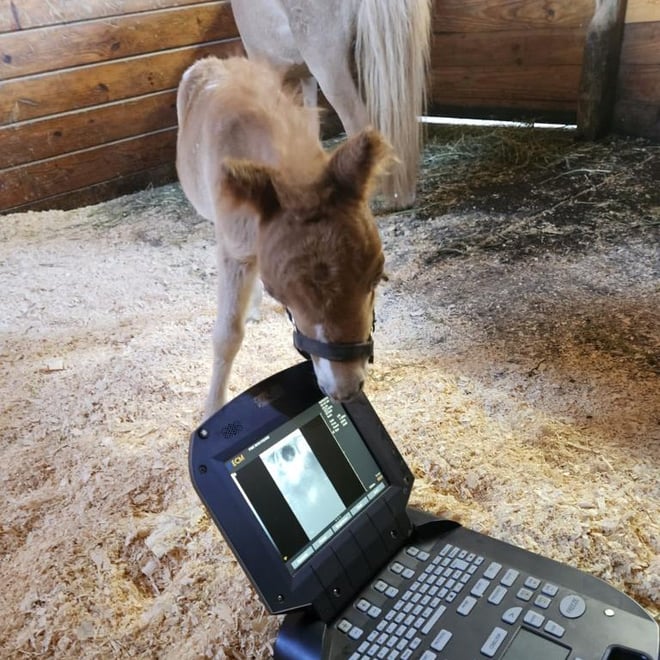
Learn Real Veterinary Lab Skills
Students practice age-appropriate clinical skills including microscope work for blood smear examinations, calculating medication dosages, suturing techniques, proper injection methods, and understanding diagnostic imaging.
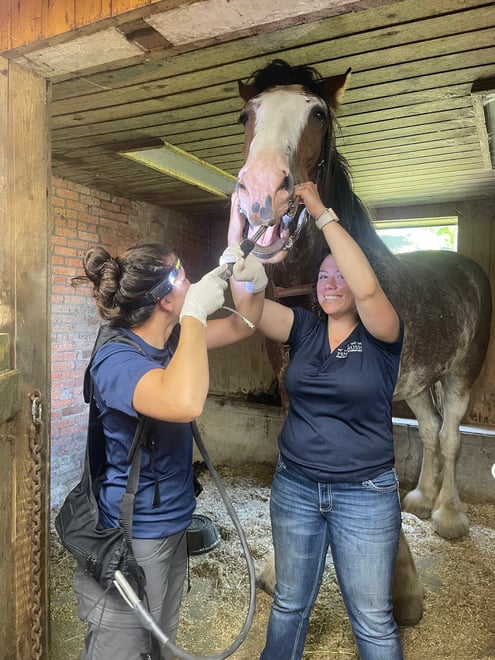
Behind-the-Scenes Farm Visit
Tour a working horse breeding facility where your child learns about reproductive health, neonatal care for foals, preventative medicine practices, and the critical importance of biosecurity and parasite control in equine populations.
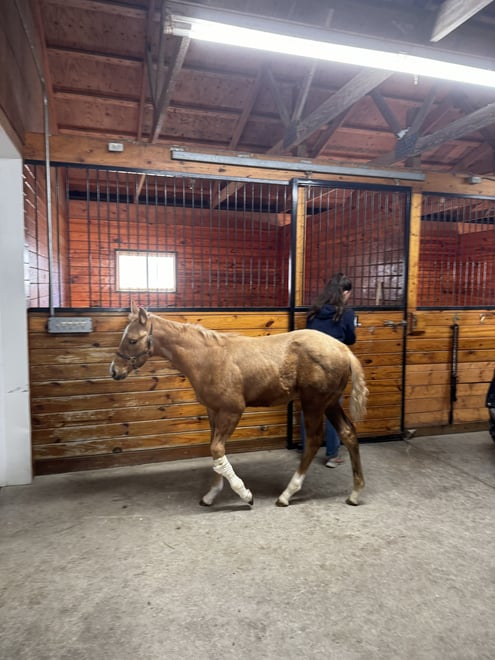
Safe Campus Experience
Your middle schooler stays on the SUNY New Paltz campus with daily transportation to Pine Bush Equine Services, experiencing a taste of college life while building practical veterinary knowledge under professional supervision.
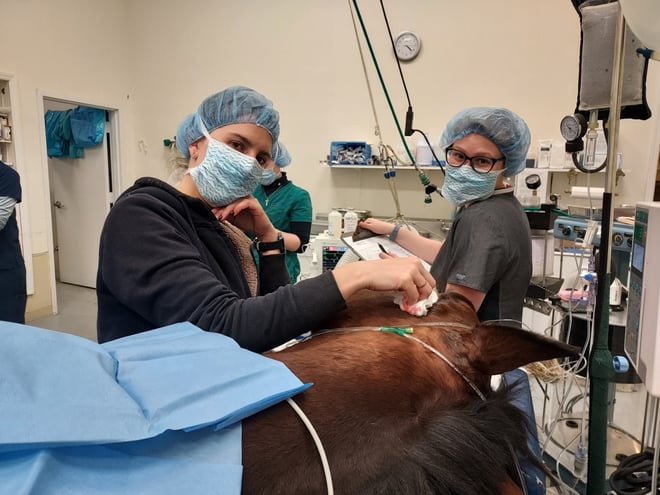
Why Parents Choose This Program for Their Middle Schooler
Early Veterinary Experience That Counts
Your child begins accumulating veterinary hours and large animal experience early, building a foundation that demonstrates long-term commitment when applying to competitive veterinary programs years later.
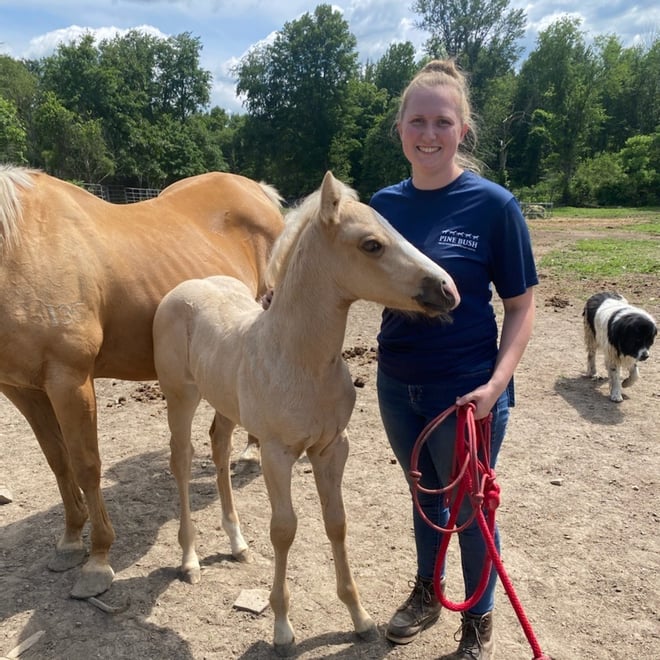
Exposure to Essential Large Animal Medicine
Students gain experience in large animal medicine—a critical category for future veterinary school requirements—while exploring whether this specialty aligns with their interests and career goals.
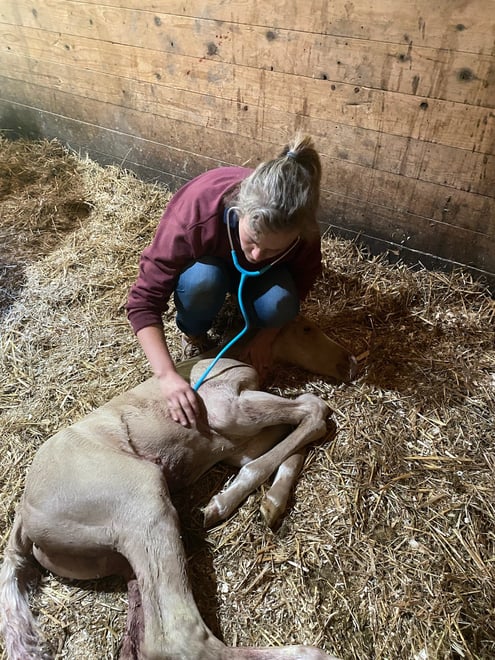
Professional Mentorship for Young Learners
With a maximum of 30 students and a 10:1 student-to-veterinarian ratio, your child receives personalized attention from equine specialists who understand how to teach and inspire middle school students.
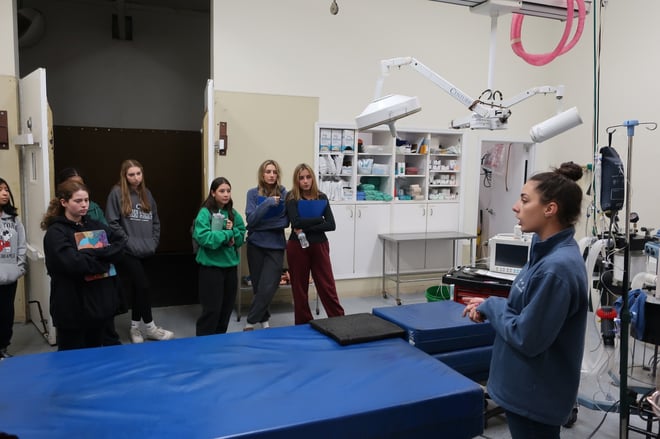
Age-Appropriate Skill Development
The curriculum is specifically designed for grades 6-8, balancing hands-on learning with proper supervision, safety protocols, and developmental appropriateness for this age group.

About Loop Abroad, our partner in Veterinary Medicine
Loop Abroad is the leading pre-veterinary travel program in the nation, with thousands of alumni at university and vet school campuses across the U.S. Their programs help students experience diverse veterinary careers firsthand. With an international team of expert wildlife and zoo veterinarians, Loop Abroad helps empower students to pursue the animal science careers of their dreams.
Dates, Locations & Tuition
Featured Extras
Tuition & Travel Protection
Optional protection plan providing comprehensive coverage including trip cancellation, medical evacuation, baggage protection, and accident insurance with assistance services.
Full Refund Program
For an additional fee, WorldStrides offers protection for your investment through the Full Refund Program (FRP). Should you need to cancel your trip for any reason after the 24-hour grace period from registration, or in the event that your program is cancelled as a result of Uncontrollable Circumstances (as defined below), the FRP protects your investment by reimbursing you for 100% of the amounts you’ve paid in, minus the FRP enrollment fee, any other Non-Refundable Fees.
Sample Course Schedule
This sample schedule is provided as an example of the overall quality and scope of a typical program experience and is not intended to represent a specific schedule. The specific schedule, speakers, site visits and details may vary.
Day 1
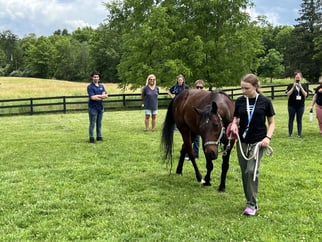
- Connect with your WorldStrides team and Loop Abroad veterinarians as you kick off the week with welcome activities and orientation.
Day 2 – Pine Bush Veterinary Hospital
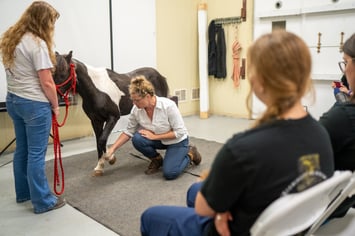
- Meet the Pine Bush Veterinary Hospital staff and receive a brief tour of the rooms and buildings where you’ll be working throughout the week.
Behavior and Handling Lab
- Learn proper techniques for handling horses and dive into understanding equine behavior.
Anatomy and Directional Terminology
- Gain foundational knowledge of horse anatomy and key terms essential for future learning.
- Rotate husbandry activities such as grooming, basic care and monitoring health.
Instrument ID
- Learn about the tools and instruments commonly used in a veterinary clinic.
Sterile Prep Lab
- Understand and get familiar with the procedures and requirements for preparing animals and equipment for surgery.
Day 3 – Pine Bush Veterinary Hospital
Physical Exam Lab
- Learn how to perform physical exams such as temperature, pulse and respiration as well as evaluating hydration status and gut sounds. These will be performed on horses and other animals
Surgical Shadowing
- Observe equine surgical procedures performed by one of the top equine surgeons in the area.
Case Studies
- Work through real equine medical cases to develop critical thinking and diagnostic skills.
- Rotate husbandry activities such as grooming, basic care and monitoring health.
Anesthesia Lab
- Explore the critical role of anesthesia in equine surgery. They’ll learn about different types of anesthetics used in horses, how to calculate dosages, monitor vital signs, and understand the stages of anesthesia.
Diagnostic Lab
- Gain hands-on experience using diagnostic tools commonly found in equine veterinary practice. Students will practice taking vital signs, interpreting basic diagnostic results, and understanding how these tools help in identifying and treating equine health issues.
Day 4 – Pine Bush Veterinary Hospital
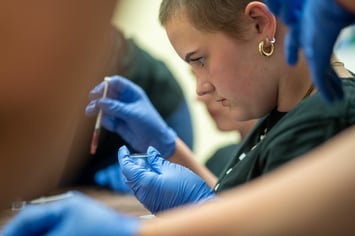
Patient Case Studies and Common Aliments of horses
- Review real or simulated equine patient cases to build diagnostic and problem-solving skills. These sessions will cover common equine ailments such as colic, lameness, respiratory issues, and skin conditions
Injections and Sample Collections Lab
- Learn proper techniques for administering injections and collecting samples.
- Rotate husbandry activities such as grooming, basic care and monitoring health.
Parasitology and Fecal Exams
- Explore common internal parasites that affect horses, such as strongyles, ascarids, and bots.
Rectal Exams Simulations
- Practice simulated rectal exams using models designed to mimic the anatomy of a horse. Students will learn the purpose of rectal palpation in diagnosing conditions like colic, reproductive issues, and gastrointestinal abnormalities.
Day 5 – Pine Bush Veterinary Hospital
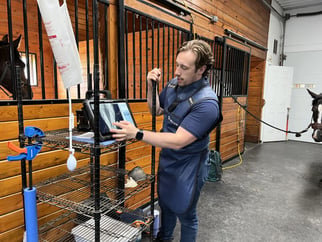
Dental Anatomy and Dentistry Cases
- Explore the structure and function of equine teeth, learning how dental health impacts overall well-being. The session may include identifying common dental issues.
Patient Case Studies (Hoof and Lameness cases)
- Review real or simulated cases involving conditions like abscesses, laminitis, navicular disease, and conformation-related issues.
- Rotate husbandry activities such as grooming, basic care and monitoring health.
Bandaging lab
- Learn proper bandaging techniques used in equine care, including how to apply stable bandages, hoof wraps, and wound dressings. The lab will emphasize safety, cleanliness, and the importance of correct tension and placement to avoid injury or circulation issues.
Radiology and Ultrasound
- Introduce imaging techniques used in equine diagnostics. Students will learn how radiographs (X-rays) and ultrasound are used to assess bone structure, soft tissue injuries, and internal organs.
Day 6 – Pine Bush Veterinary Hospital
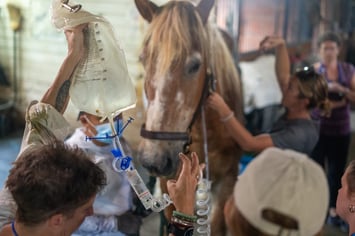
Reproduction and Neonatal Health
- Explore the fundamentals of equine reproduction, including the estrous cycle, breeding methods, and pregnancy care.
Musculoskeletal Exam
- Focus on evaluating the equine musculoskeletal system. Students will learn how to assess joints, muscles, tendons, and ligaments through palpation and movement analysis
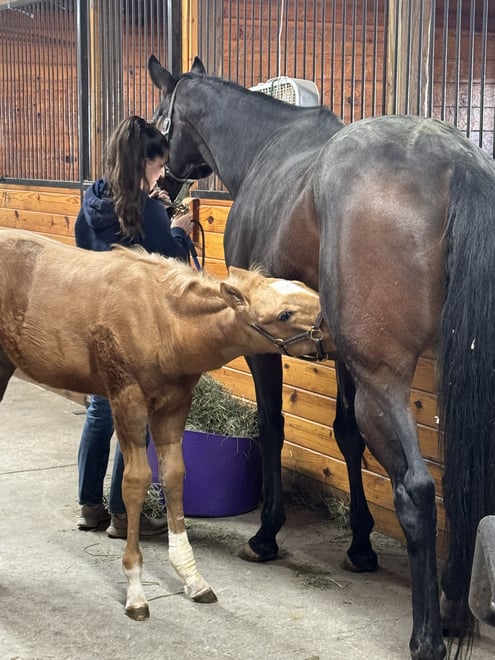
- Tour one of the top breeding facilities in the country. There will be a good chance to see some young foals.
Suture Lab
Learn the basics of suturing techniques used in equine medicine. Students will practice different suture patterns on simulation models or practice pads, focusing on proper needle handling, knot tying, and wound closure methods.
Preventative Medicine Discussion
Cover the core principles of preventative care in horses. Topics may include vaccination schedules, deworming protocols, dental care, nutrition, and routine health checks.
Day 7
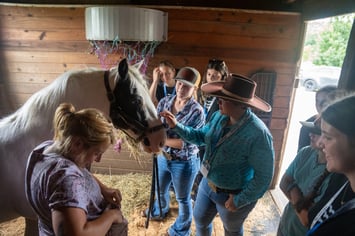
- Students who have flights will be brought to the airport while all other students will wait to be picked up
Health & Safety
Travel with confidence knowing you're never alone out there. When you choose Envision by WorldStrides, you've got an entire support network working around the clock to keep you safe.
Learn More
Safety Monitoring

Extensive Preparation

Local Support
Testimonial
Frequently Asked Questions
What work background does your staff have? Have they worked with middle school students before?
All staff complete extensive training including understanding developmental needs of middle school students, facilitation techniques appropriate for this age group, classroom management strategies, and our medical, emergency, safety, and accountability policies. Our team is experienced in working with grades 6-8 and creating age-appropriate learning environments.
Is this program appropriate for my middle schooler?
Absolutely. Future Vet: Horses & Large Animals is specifically designed for grades 6-8. The curriculum, supervision levels, and activities are all tailored to be age-appropriate while still providing meaningful hands-on veterinary experience. Our 10:1 student-to-veterinarian ratio ensures your child receives proper guidance and support.
Is there a packing list?
Yes, one will be provided online closer to the program. Students work outdoors from approximately 8 a.m. to 6 p.m. during summer weather with animals, so appropriate yet comfortable attire is required. Closed-toe shoes are mandatory for safety around large animals.
Can my child request a specific roommate?
We assign roommates according to student age unless we receive a specific request. While we try to ensure every student has a roommate, we cannot guarantee this, and some students may be placed in single rooms. Students can request one roommate if both are enrolled in the same program/session, identify as the same gender, and both families complete the online Roommate Request Form no later than 3 weeks before the session.
My child has specific dietary restrictions. How are these handled?
Families can submit dietary needs before the program via the student portal. We have vegetarian options available for all meals. Other dietary needs (vegan, kosher, halal, gluten-free, food allergies, fasting, etc.) should be submitted as a special request to the program team for review to ensure we can accommodate your child appropriately.
My child takes medication. How is this managed?
Parents should inform staff of any medication, and students will self-manage their medication during the program. Please send more than enough medication for the program duration. Envision staff cannot administer any medication, including over-the-counter medications like Tylenol. You must complete a Student Medication Administration Form (included in the Portal) and submit it to program staff on arrival day. Special requests regarding medication, including refrigeration needs, should be submitted as a case to the program team.
What if my child forgets something important at home?
Contact the onsite phone number provided to coordinate delivery. The group is offsite all day and returns to campus in the evening, so unless urgent, items will be delivered when students return for the evening.
What support is available if my child has issues with roommates or classmates?
All staff members are equipped to help students with any issues or concerns. Students are encouraged to reach out to staff members whenever needed. An onsite staff member is available 24 hours a day, and students receive cell phone numbers for designated program staff.
What happens if my child doesn't feel well or gets homesick?
All staff members are trained to support students with any concerns, whether physical illness, homesickness, feeling overwhelmed, or just needing someone to talk to. Our team understands that being away from home can be challenging for middle schoolers, and we're committed to making sure your child feels comfortable and well-cared for throughout their experience. An onsite staff member is available 24 hours a day.
What if my child arrives late to the program?
Of course they can still attend! Just call the Program Office or Admissions team to let us know when your child will arrive. Once there, we'll help them get settled with a quick registration and connect them with the group so they can join the experience.
How do I stay in touch with my child during the program?
Students may bring cell phones for personal use during designated free time. We encourage families to establish communication expectations before the program. Staff are also available 24/7 via the onsite contact number if you need to reach your child or have any concerns during the week.
What education level do your staff have?
Veterinarians are licensed professionals working in the industry. Senior Management Staff hold bachelor's degrees or higher. Support staff are often collegiate students in veterinary school or education backgrounds, many of whom are alumni of prior veterinary medicine programs through our partner, Loop Abroad.
Your Nomination Makes An Impact
For over 40 years, Envision’s programs have helped students discover their passion, test drive careers, and develop as leaders. Give students an opportunity to reach their full potential by nominating them today.