
The Nightly Brain Wash: Why Sleep Matters, and How You Can Help Your Teen
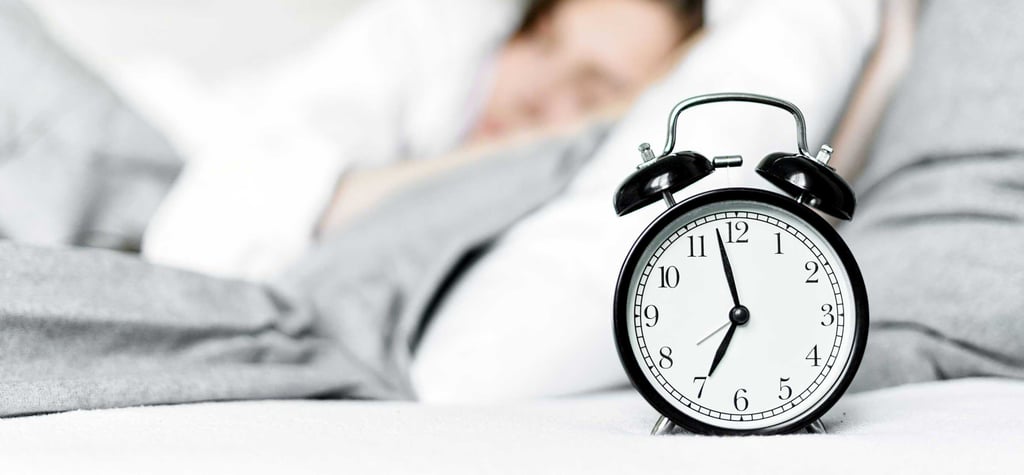
Every parent has been there. It's 11 p.m. on a school night, and your child is still awake, scrolling, texting, staring at the ceiling. You've asked them twice to put the phone down. They insist they're not tired. You're frustrated. They're frustrated. And somewhere in the back of your mind, you wonder: is this a discipline problem? A screen problem? A you problem?
Here's what the research says: it might not be any of those things. It might just be biology.
Their Brain Is on a Different Clock
During puberty, something measurable happens to the adolescent brain's internal timing system. The circadian clock — the biological mechanism that regulates when we feel sleepy and when we feel alert — shifts later. Studies published in PMC show that adolescents continue to show a delayed circadian phase even under controlled laboratory conditions, weeks into regulated sleep schedules, with social influences minimized.
The delay isn't learned behavior. It correlates directly with pubertal development. This shift has been observed across six different mammalian species. It appears to be a feature of puberty itself, not a byproduct of phones or late-night Netflix.
What this means practically: asking a teenager to fall asleep at 9:30 p.m. is a little like asking the typical adult to fall asleep at 7. The body simply isn't ready. And when school starts at 7:30 a.m., researchers at the American Academy of Pediatrics have described the effect plainly: it's as if your teenager flew east across two to three time zones every single school night and never fully recovered.
That's not laziness. That's jet lag. Chronic, compounding, invisible jet lag.
What Actually Happens When They Sleep
Most parents know sleep matters. What's less known, and genuinely fascinating, is what sleep is doing while it happens.
In 2012, scientists discovered the brain's overnight cleaning crew: a system called the glymphatic system. While your teen sleeps, cerebrospinal fluid moves through channels in brain tissue, flushing out the toxic proteins and waste metabolites that build up during a day of thinking, feeling, and learning. It's approximately 90% more active during sleep than during wakefulness, a finding first documented in a landmark 2013 Science study. Cut sleep short, and that cleaning cycle gets interrupted. A 2021 study in Brain found that even one night of sleep deprivation left measurably elevated waste in the hippocampus, amygdala, and prefrontal cortex, and the brain didn't fully recover with the next night's sleep.
That matters beyond the next morning's quiz. Remember that two-to-three time zone shift? It's not just affecting your teen's mood at breakfast — it's affecting how well their brain clears waste every single night. CDC data shows only 23% of high school students get at least 8 hours on a school night, meaning most teenagers are running a nightly deficit. The effects add up: a 2025 University of Birmingham study found that sleep debt in adolescence is a meaningful risk factor for depression in young adulthood. Chronic sleep loss isn't just about being tired. It's about what's quietly accumulating in the background.
What Parents Can Actually Do
Here's the reframe that might make the biggest difference: you're not trying to enforce rules. You're trying to reduce friction between your teenager and the sleep their body is genuinely trying to get to. That shift in mindset changes everything about how these conversations go.
Start with the basics, and don't underestimate them. Consistent sleep and wake times, even on weekends, are one of the highest impact changes a family can make. Yes, sleeping in on Saturday feels harmless, but it shifts the internal clock later and makes Monday morning even harder. A window of an hour on either side is reasonable; two or three hours of drift starts to work against you.
Light is a bigger factor than most people realize. The brain reads bright light, especially blue light from screens, as a signal to stay awake. Dimming overhead lights and shifting to warmer light sources in the hour before bed can genuinely help. This isn't about banning phones — it's about making the environment work for your kid instead of against them. Night mode settings, blue light glasses, or simply moving screens out of the bedroom are all low-lift options worth trying.
The hour before bed matters, too. Not every teenager is going to meditate, but winding down with something lower stimulation, a show they've already seen, a book, music, a conversation, gives the nervous system a chance to shift gears. Fights, homework crunches, and stressful conversations right before bed push sleep further away. Where you can, protect that window.
And if mornings are brutal in your house? That's probably not attitude. It's biology. A little more patience with the groggy, one-word-answer version of your kid before 8 a.m. goes a long way for everyone involved.
On the bigger picture: the American Academy of Pediatrics recommends that middle and high schools start no earlier than 8:30 a.m., and research backs it up. Some districts have made the change. Many haven't. If yours hasn't, it's worth knowing that parent voices carry real weight in those conversations.
To Put This to Bed
Parenting a teenager is already a masterclass in letting go of control. Sleep is one more place where the instinct to enforce doesn't get you very far. But understanding what's actually happening — the chronic jet lag, the nightly backlog of waste their brain is trying to clear — that turns frustration into context. It makes the grumpy morning person across the breakfast table a little easier to extend grace to.
Your teenager isn't failing at sleep. In a lot of ways, the system around them is. That's not a reason to feel helpless. It's a reason to feel a little less alone in this, and maybe a little more on their side.