
Practical Experience: The Secret Weapon More Parents Should Be Exploring
As parents, we all want the best for our children. We encourage them to study hard, get good grades, and pursue their dreams. But there’s a growing body of research that suggests that academic success alone may not be enough to prepare our kids for the future. It has been shown that obtaining a college degree alone, in many cases, is not enough to meet modern job requirements and the challenges of the future workforce. Students need to be prepared with additional soft skills training and experience.
One secret weapon that more parents should explore is experiential learning. This powerful method of education provides practical, real-world experience and helps children develop the skills they’ll need to thrive in life.
The Curious Parent’s Guide to Experiential Learning
What Is Experiential Learning?
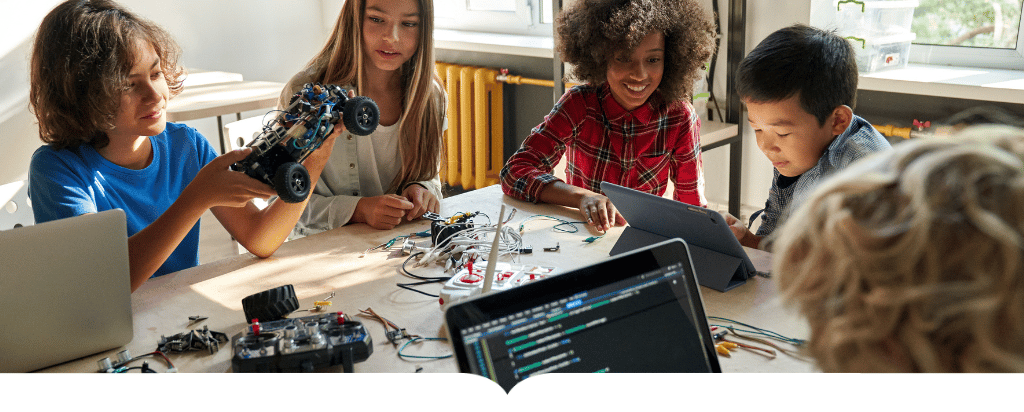
At its core, experiential learning is the process of learning through doing. It goes beyond textbooks and classroom lectures by allowing students to engage with the material in hands-on ways, helping them to apply concepts in real-world situations. This type of learning encourages active participation and critical thinking, which can deepen a child’s understanding of a subject far beyond what traditional methods offer.
Experiential learning can take many forms: internships, apprenticeships, volunteer work, hands-on projects, travel experiences, and even everyday problem-solving situations. It’s an approach that equips students not only with knowledge but also with the practical skills and confidence they need to navigate challenges in the real world.
Why Is Experiential Learning So Effective?
Engagement and Retention: Studies have shown that students retain information much better when they are actively engaged in the learning process. By directly participating in tasks and solving real-world problems, children are more likely to remember what they’ve learned. The National Training Laboratories’ Learning Pyramid suggests that students retain as much as 75% of what they learn through hands-on experiences, compared to just 5% from traditional lectures.
Critical Thinking and Problem-Solving: Experiential learning encourages students to think critically, ask questions, and solve problems creatively. When children are faced with real-world situations—whether it’s leading a team project or figuring out how to overcome a challenge—they learn how to think on their feet, adapt, and find solutions. These skills are crucial for success in life, as they prepare children for the complexities they’ll face as adults.
Building Confidence and Independence: Experiential learning helps students take ownership of their education. As they engage in practical experiences and succeed in solving problems, their confidence grows. They learn that they are capable of making decisions, managing tasks, and achieving goals—skills that will serve them well throughout their lives.
Bridging the Gap Between Theory and Practice: One of the biggest benefits of experiential learning is that it bridges the gap between theoretical knowledge and practical application. For example, a child learning about the water cycle in class can deepen their understanding by visiting a water treatment plant, conducting experiments, or working on environmental projects. This kind of hands-on experience brings academic concepts to life in ways that are both tangible and meaningful.

How Parents Can Incorporate Experiential Learning
As a parent, you may be wondering how you can introduce experiential learning into your child’s life. The good news is that there are many ways to do this, whether at home, in school, or through extracurricular activities. Here are a few ideas to get started:
- Encourage Participation in Projects: Whether it’s a science fair, a community service initiative, or a family project like building a garden, getting involved in hands-on activities is a great way to introduce your child to experiential learning. Encourage them to take the lead, make decisions, and reflect on what they’ve learned from the experience.
- Explore Internships and Job Shadowing: For older students, internships and job shadowing offer invaluable opportunities to gain real-world experience. These experiences allow children to explore potential career paths, learn about different industries, and develop important professional skills. Many schools and organizations offer internship programs that focus on experiential learning, so keep an eye out for these opportunities.
- Take Advantage of Travel and Cultural Experiences: Travel is a powerful form of experiential learning, as it exposes children to different cultures, languages, and ways of life. Whether it’s a family trip abroad or simply exploring a new part of town, encouraging your child to engage with new environments and people can broaden their worldview and deepen their understanding of global issues.
- Promote Volunteer Work and Community Service: Volunteering is another form of experiential learning that teaches children important life skills while giving back to the community. Whether it’s helping at a local shelter, participating in a clean-up day, or assisting with a community garden, volunteering provides hands-on experience while also fostering empathy, responsibility, and a sense of purpose.
- Incorporate Hands-On Learning at Home: Experiential learning doesn’t have to be formal or structured—it can happen right at home. Encourage your child to cook a meal, fix a broken object, or take on a creative project like building a model or designing a website. The key is to let them take charge of the process and learn through trial and error.
The Future of Learning: Why Experiential Learning Matters
As the world continues to evolve at a rapid pace, the skills children need to succeed are changing. The job market of the future will place a higher value on creativity, critical thinking, collaboration, and adaptability—skills that are best developed through experiential learning. Traditional educational methods, while still important, are no longer enough to fully prepare children for the complexities of the 21st century.
By incorporating experiential learning into your child’s life, you are giving them a head start in developing the practical skills, problem-solving abilities, and confidence they’ll need to thrive in a fast-changing world. You’re also helping them to discover their passions, explore new interests, and gain a deeper understanding of the world around them.
For many parents, the idea of experiential learning may be a new concept. However, it’s one that holds incredible potential to enrich your child’s educational experience. By encouraging your child to engage in practical, hands-on learning, you’re opening doors to a world of possibilities that go beyond the classroom.
In a world that increasingly values creativity, adaptability, and problem-solving, practical experience is truly the secret weapon more parents should be exploring. So, don’t wait—start incorporating experiential learning into your child’s life today, and watch them thrive in ways you never thought possible.